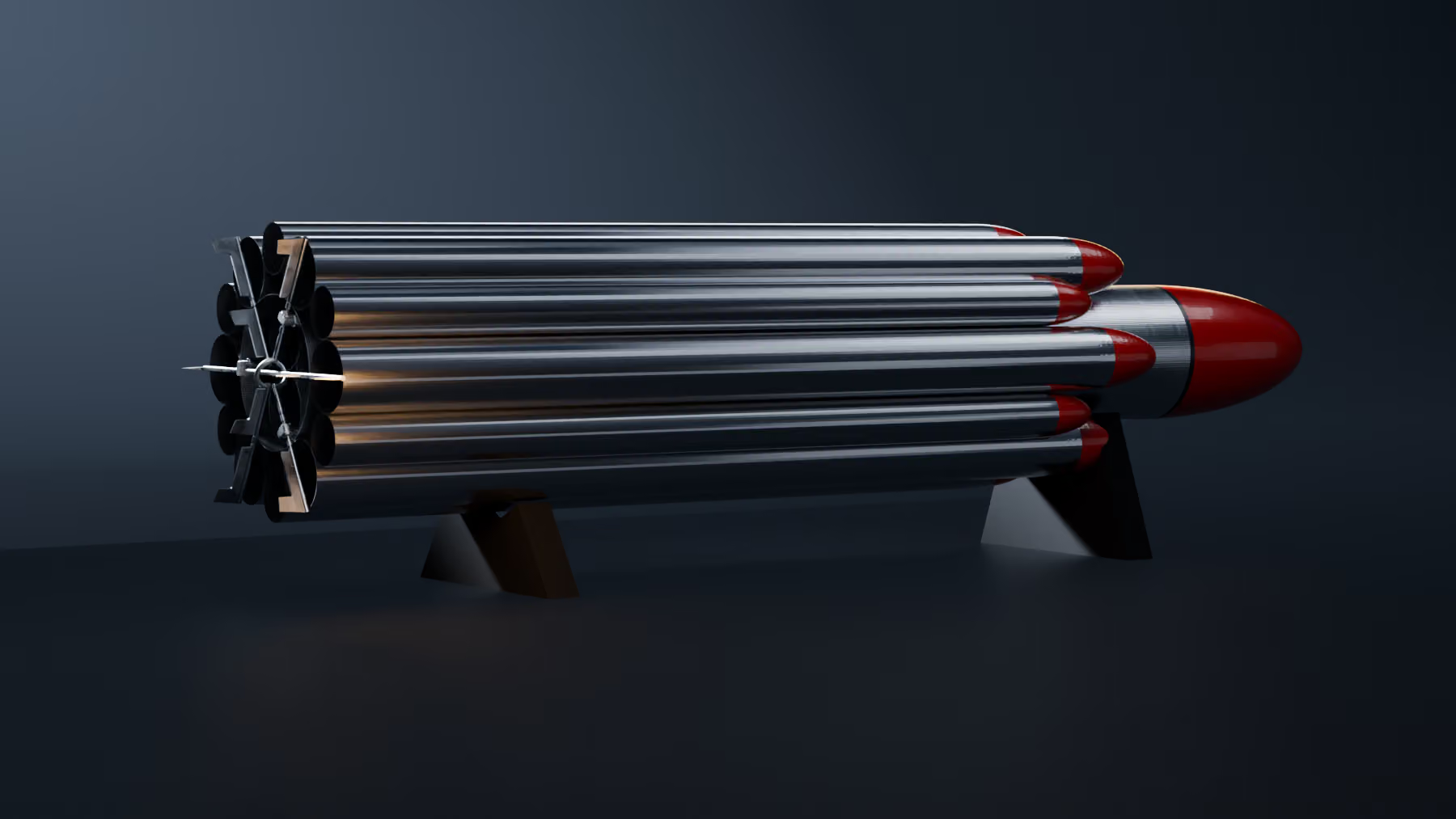

Aerospace, defense and energy systems that remove the bottleneck.
Cretus develops systems that remove the fixed infrastructure holding a capability back. Bee-MX is designed to launch from a standard shipping container, Bee-SL to reach orbit from a transport aircraft at altitude, and Magma-HX to drill to magma and stay in the well as the heat exchanger, in a single trip. U.S. patents pending and allowed. Based in Louisiana, USA.

Fixed infrastructure is a target. Mobility is survivability.
I spent forty years engineering for the drilling industry around the world, where equipment arrives by ship, works in conditions that punish every shortcut, and pays for itself or gets replaced. Along the way I earned seven U.S. patents and one lasting conviction: the hardest problems are usually logistics problems.
Launch is one of them. For decades it has depended on specialized infrastructure: purpose-built pads and launchers that are costly, few in number, and easy to find. That worked when few adversaries could hold it at risk. It no longer does.
Cretus exists to remove that dependency. Bee-MX is designed to launch from a standard shipping container; Bee-SL, to put small satellites in orbit from a transport aircraft at altitude. Both are engineered from the first drawing for low cost and volume production, so they can move through logistics networks that already exist, in the numbers modern missions require. They’re early-stage, and we’re plain about where they stand.
To leaders in government, defense, and investment who see the same problem: I’d welcome the conversation.
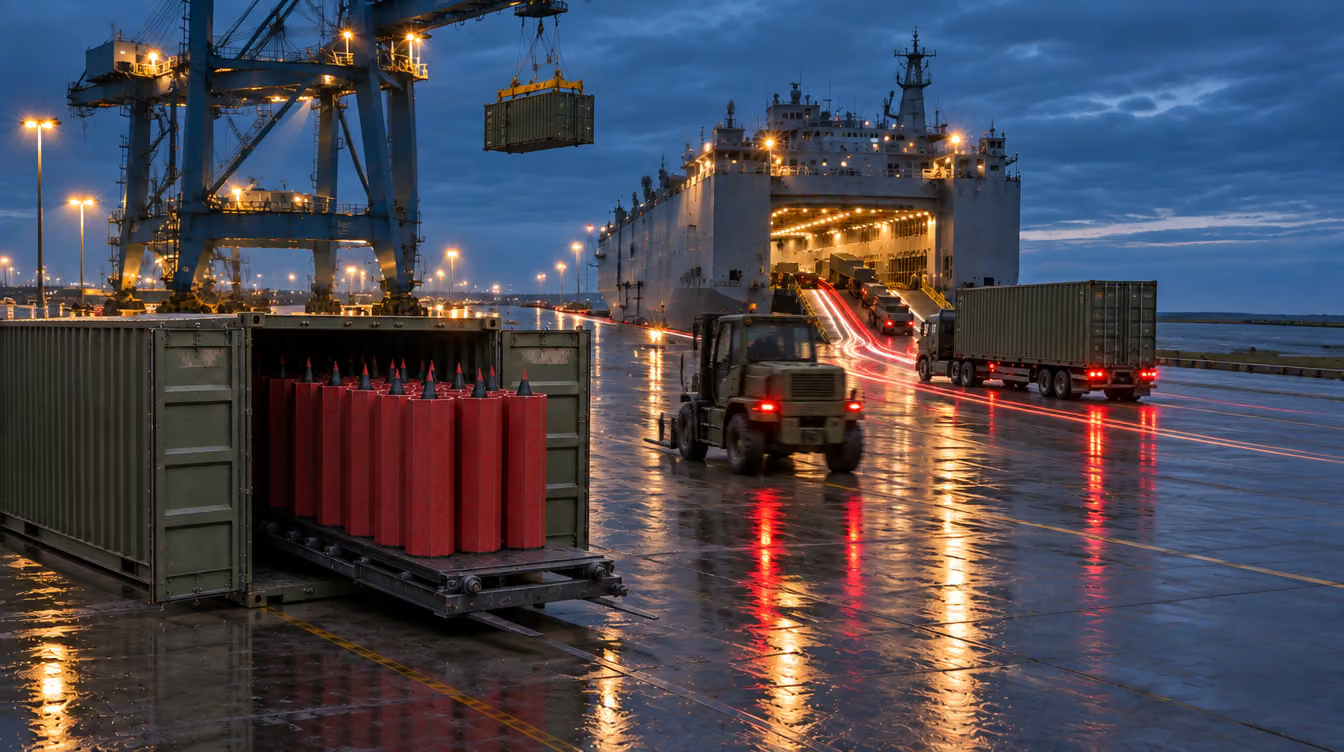
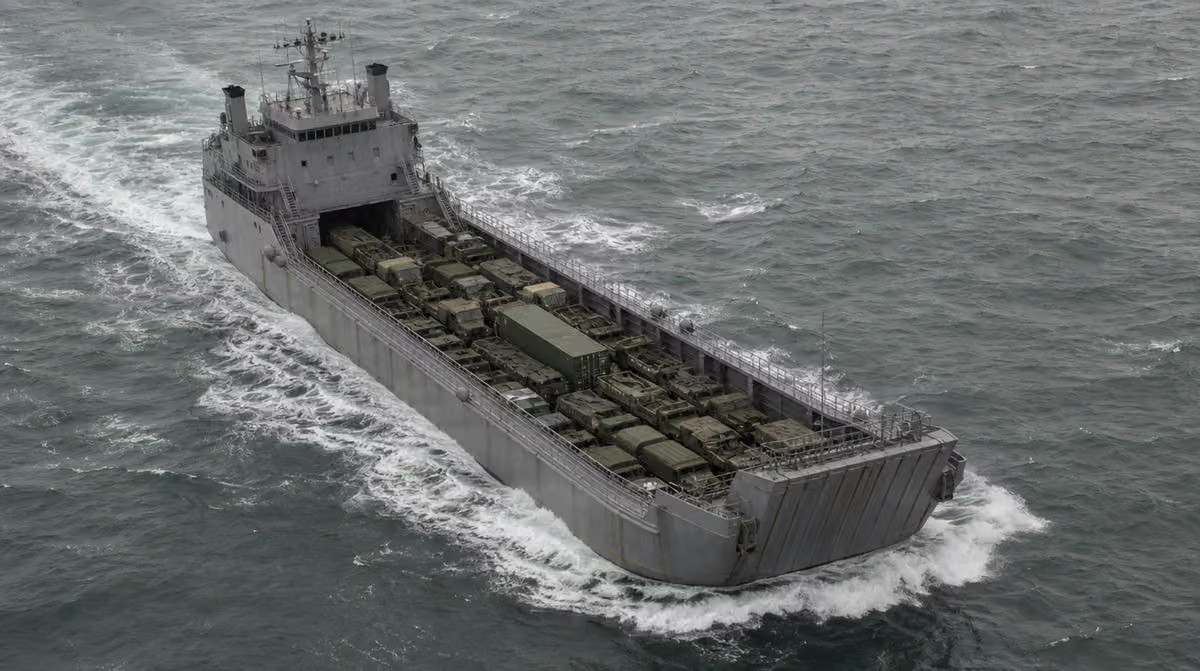
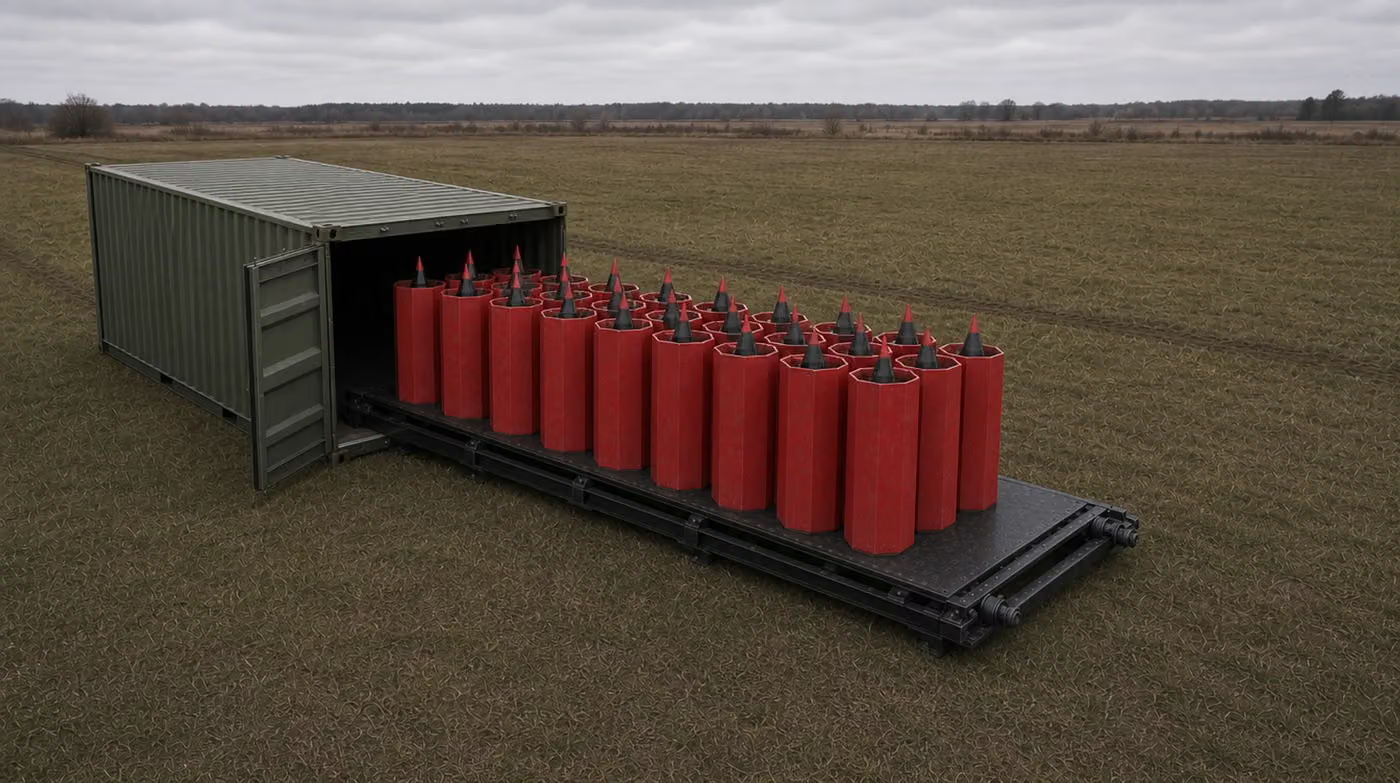

Capability without the fixed infrastructure.
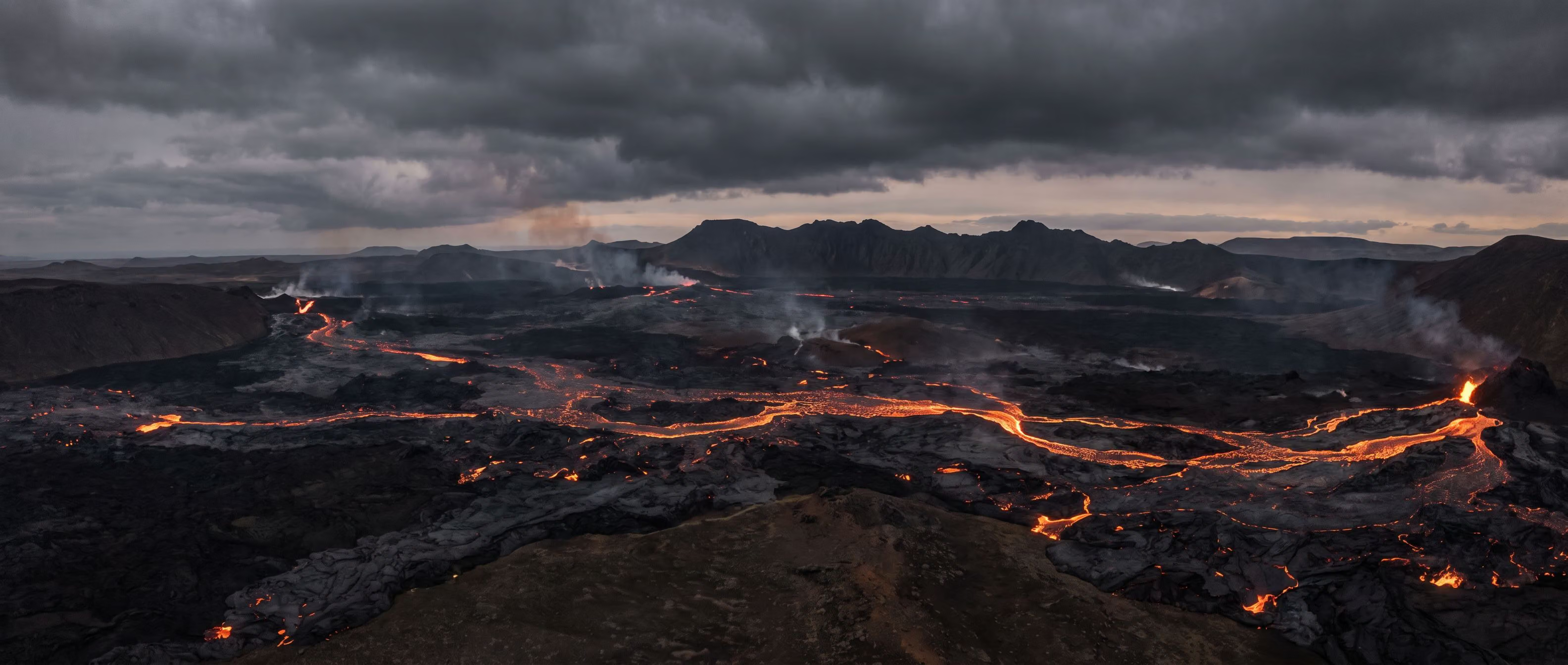
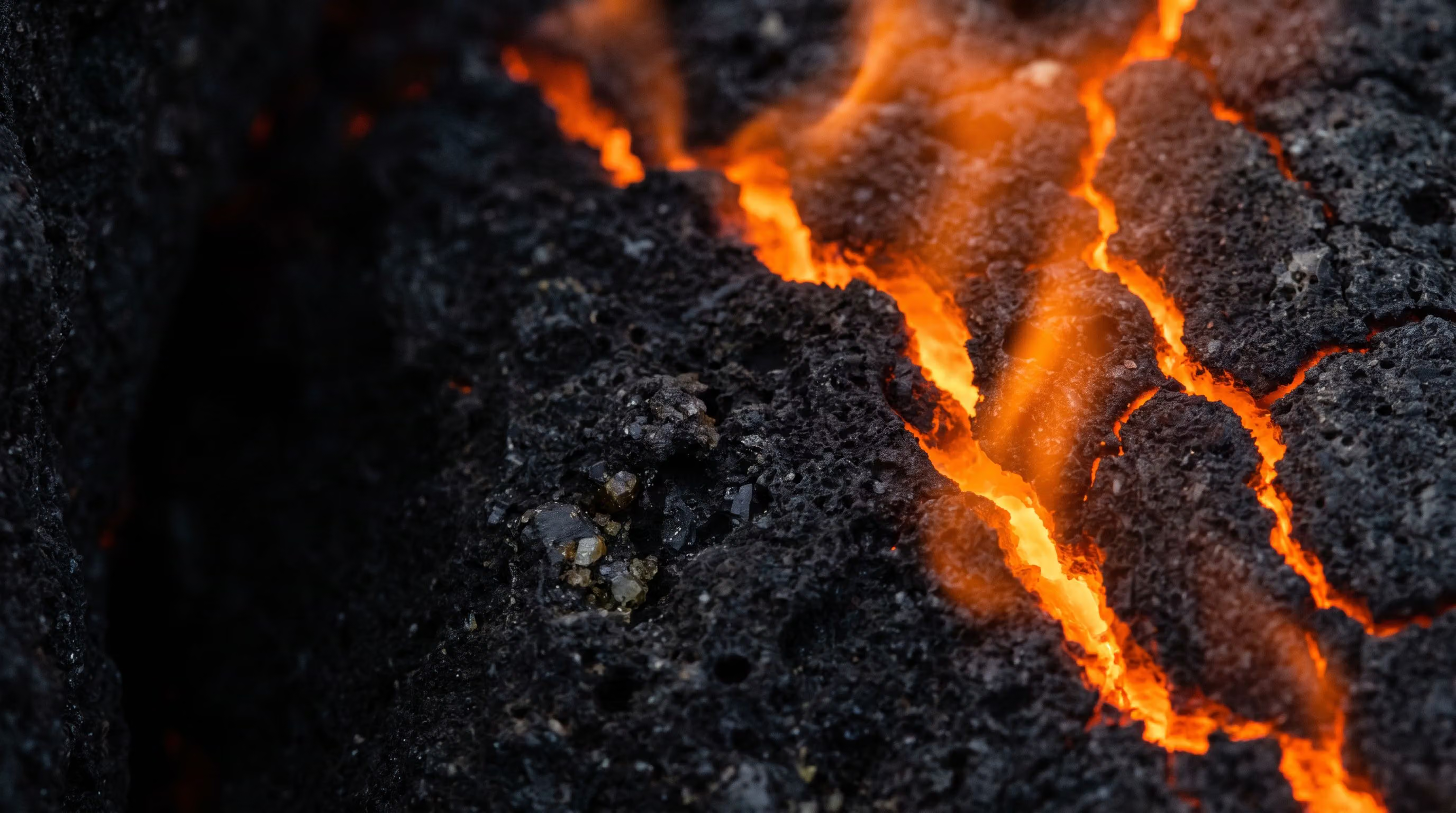
Launch has depended on fixed sites and purpose-built pads. Heat from magma has meant drilling the well, then coming back to install the heat exchanger. Cretus starts from a different premise: remove the fixed infrastructure that holds a capability back.
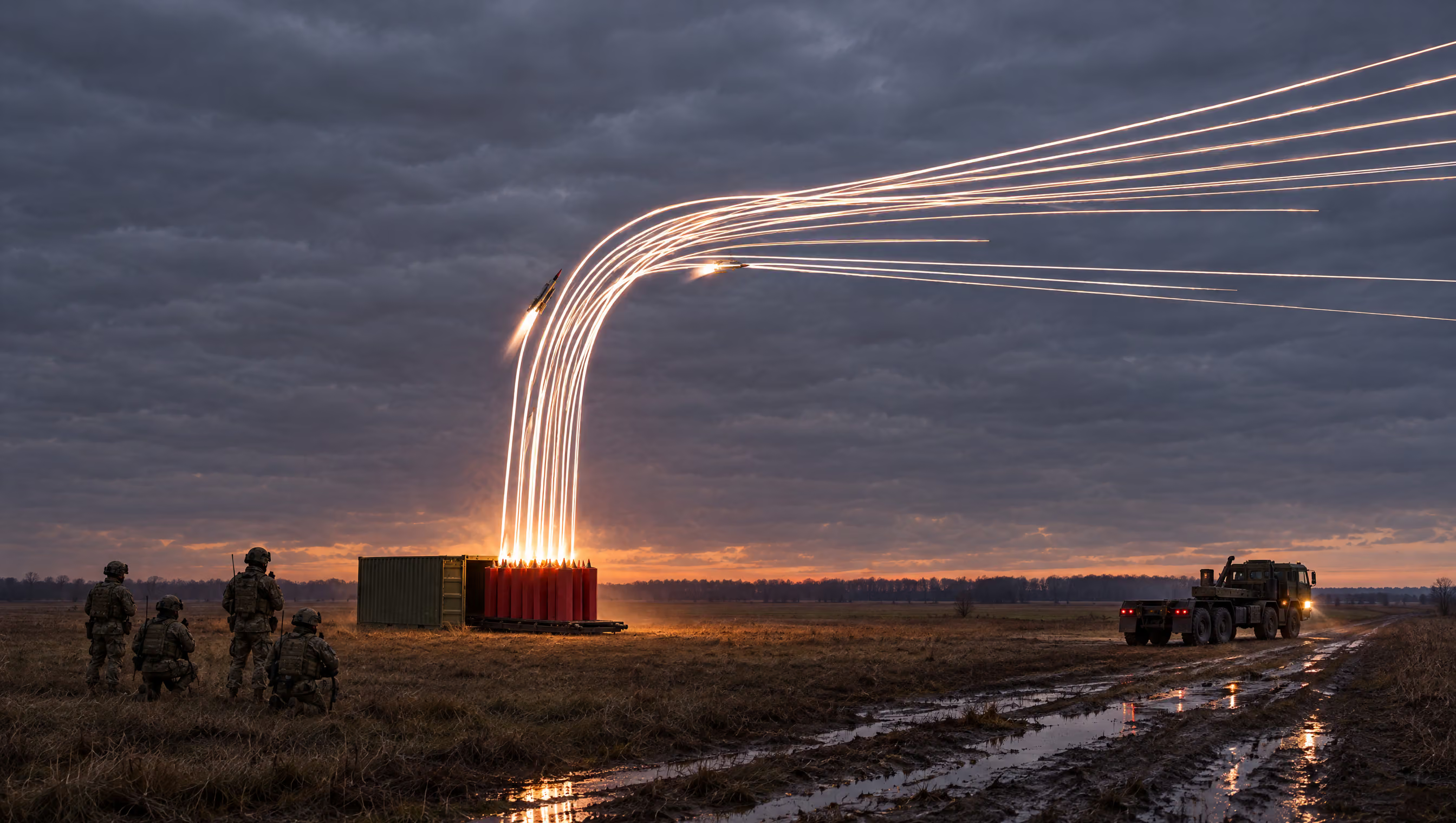
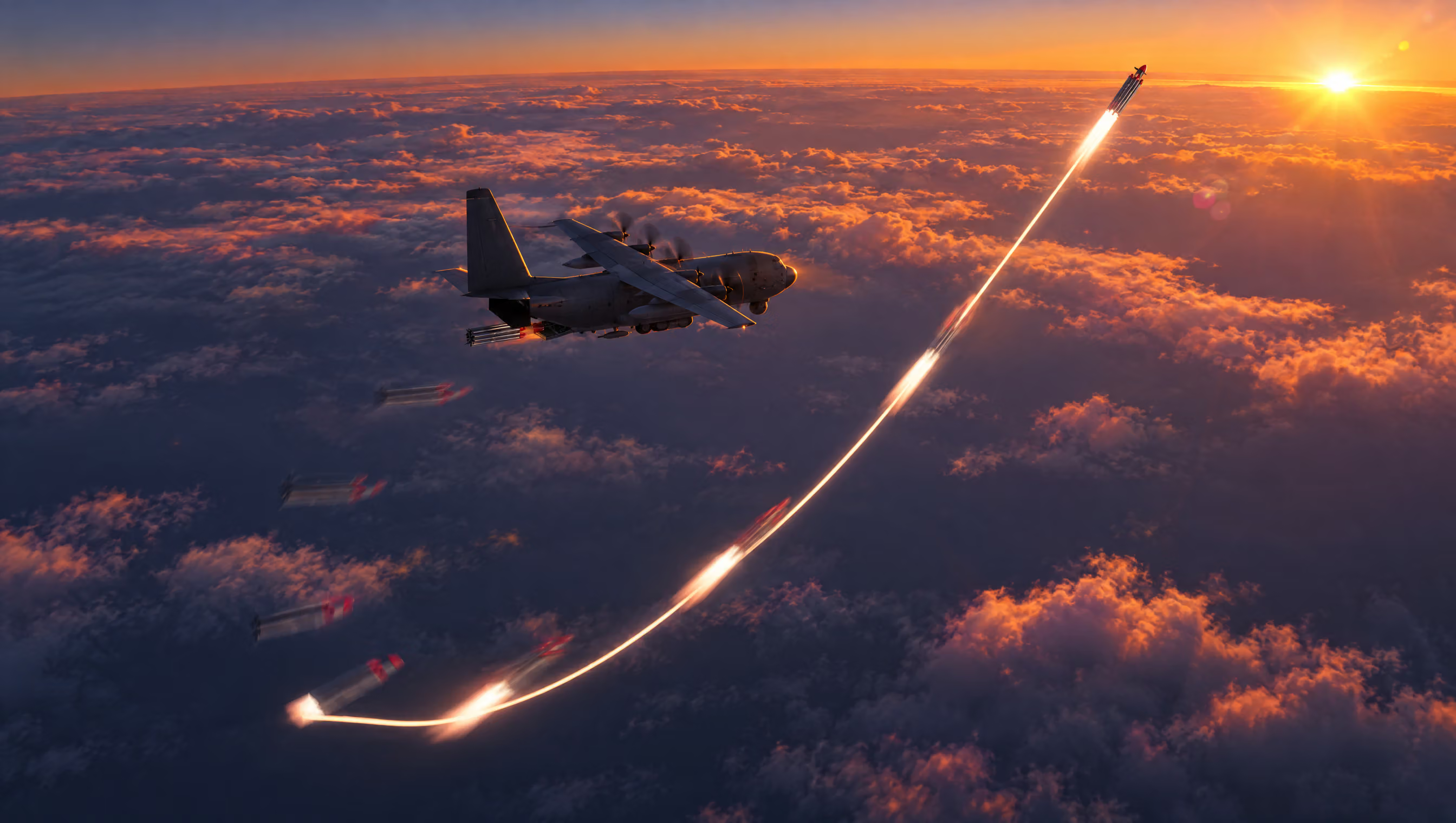
Bee-MX works from a standard shipping container. Bee-SL works from a transport aircraft at altitude. Magma-HX works through a conventional wellhead, in a single trip. Each is designed to move through equipment and networks that already exist.
Three programs across defense, space and energy.
A fixed launch site. A launch pad. A second trip down the well. Each Cretus program removes one of them. Additional technologies are in development.
Defense
Concept Render
Bee-MX
Thirty-six supersonic units from one standard container. No fixed launch site.
Space
Concept Render
Bee-SL
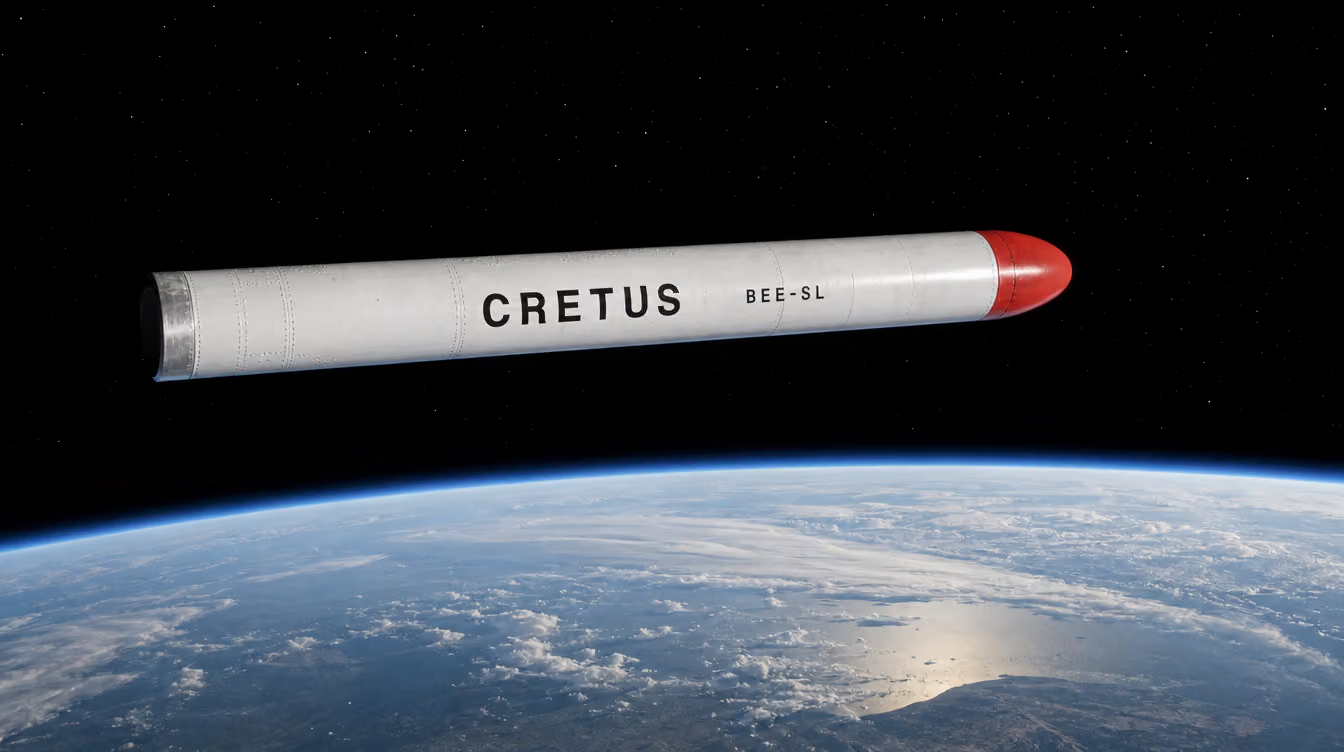
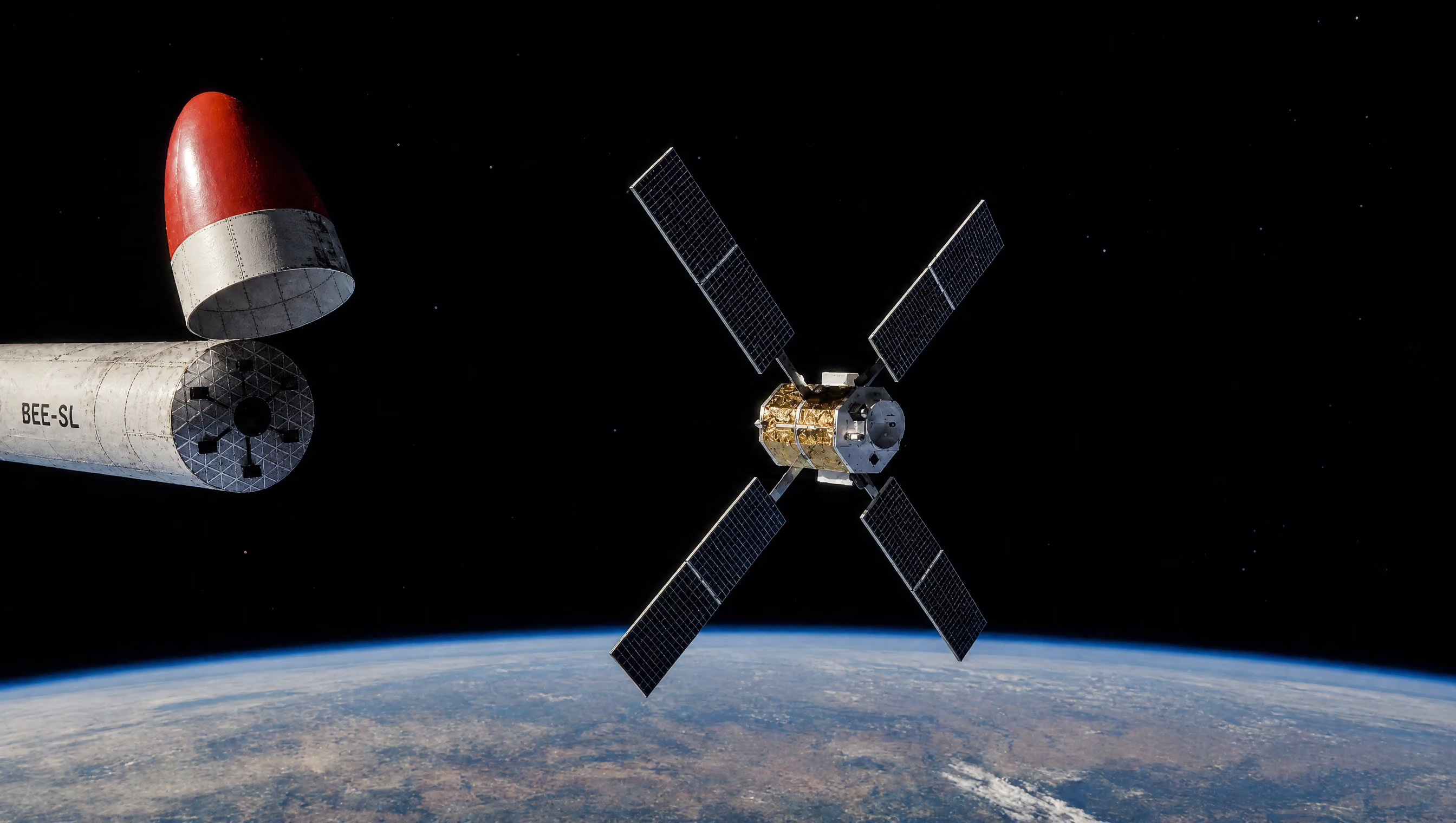
Small satellites to orbit from a conventional transport aircraft. No launch pad.
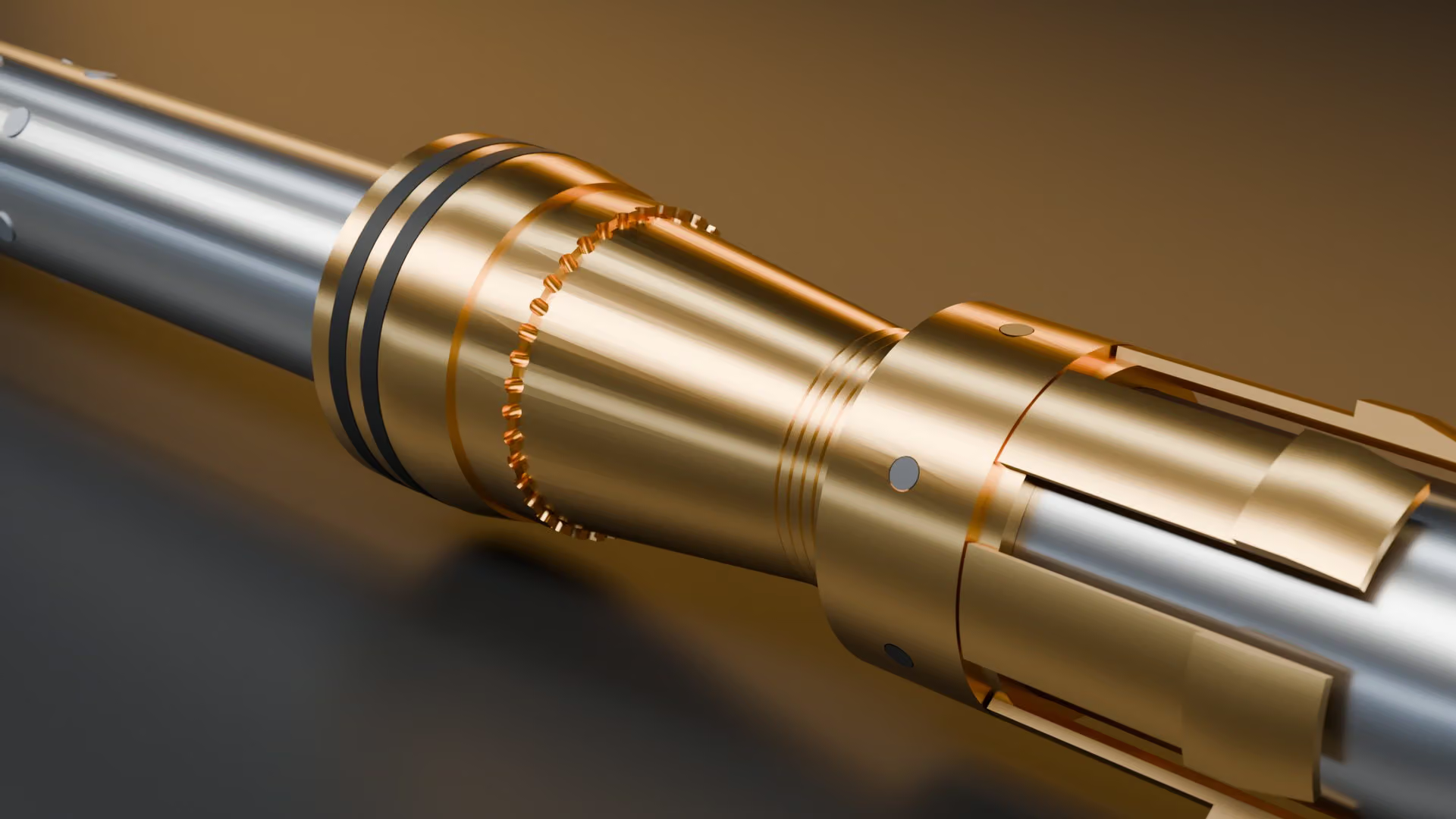 Energy
Concept Render
Magma-HX
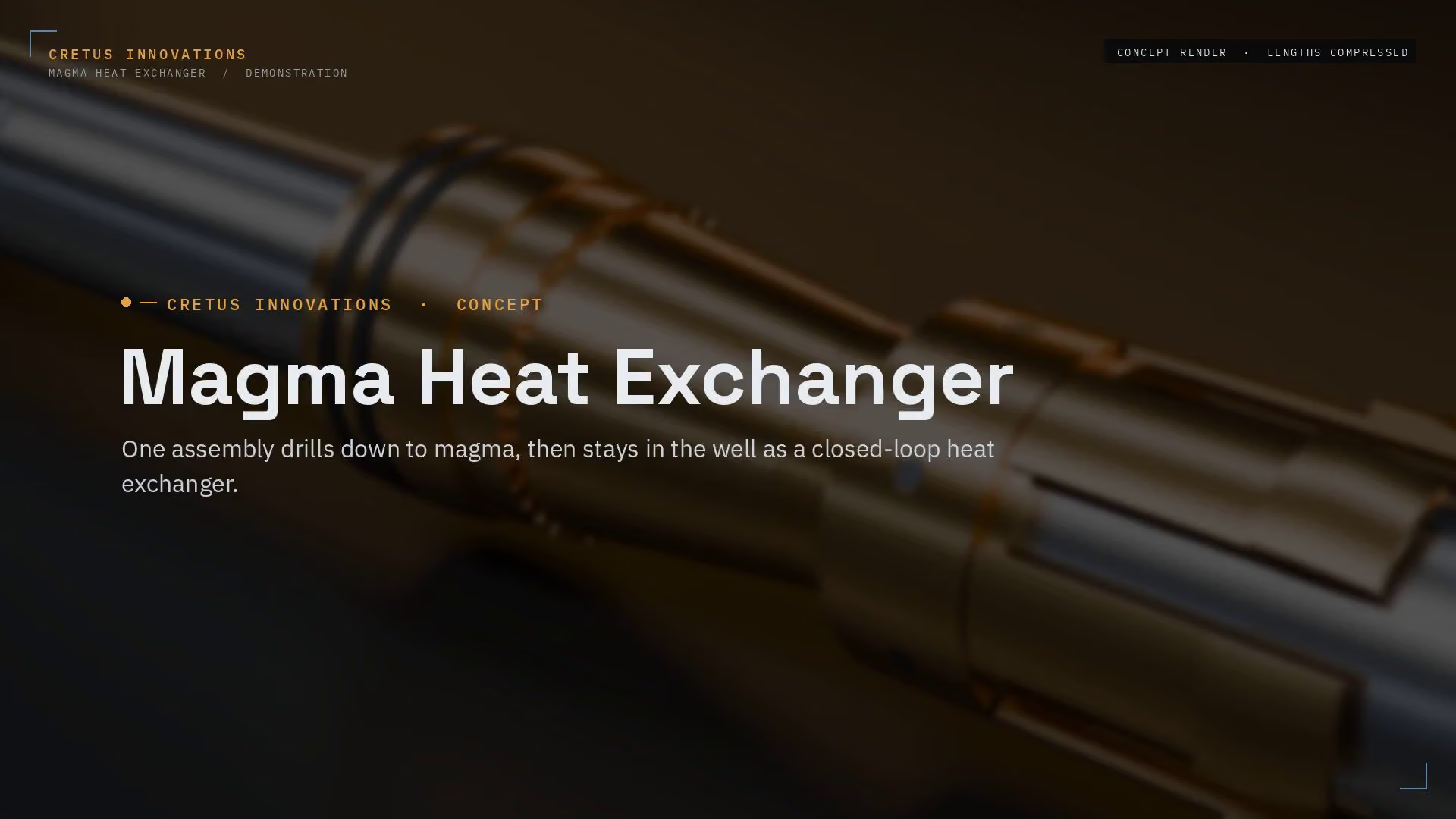
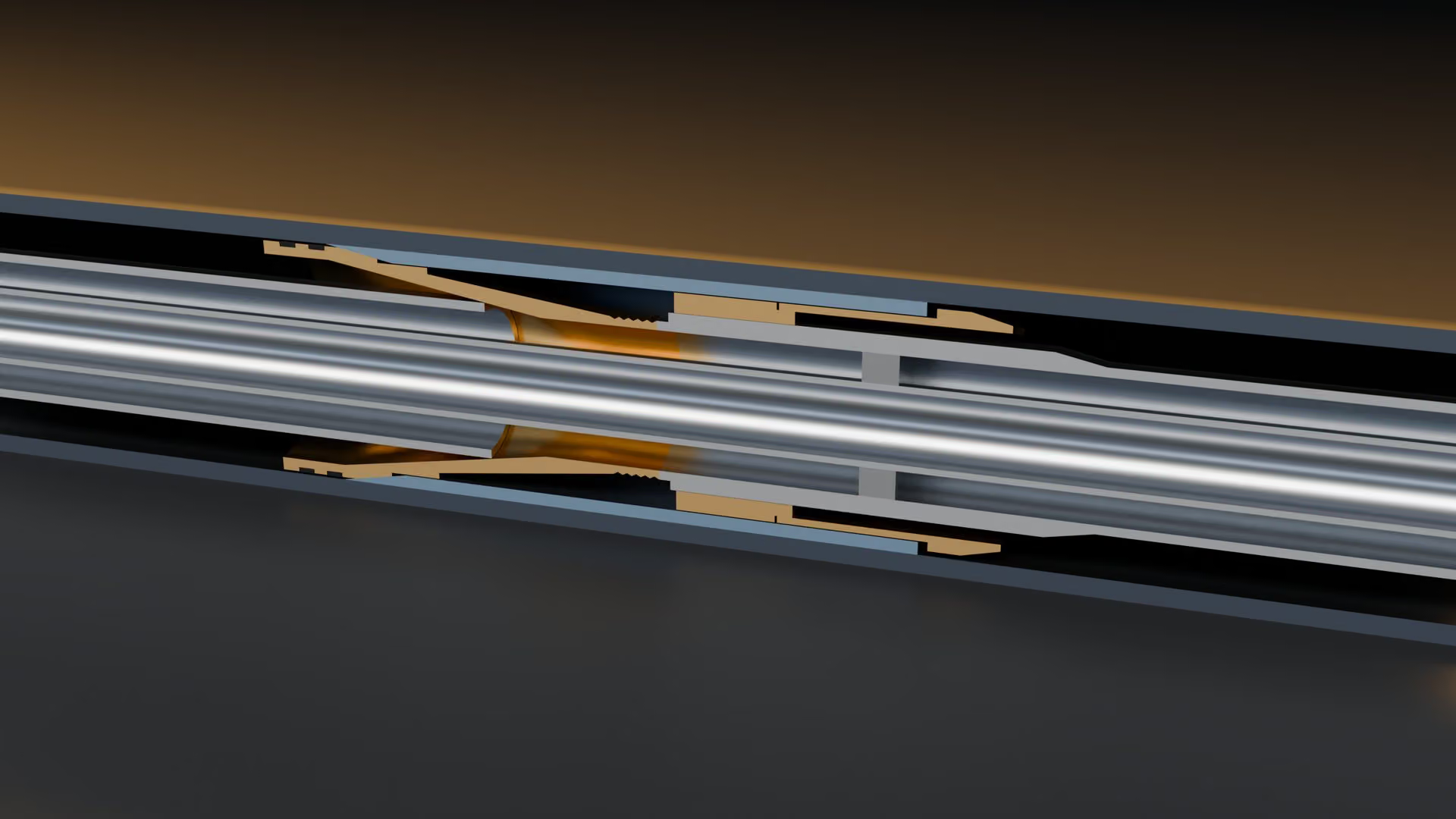
One assembly drills into a magma pool and stays in the well as the heat exchanger. No second trip.
The people behind the work.

Request a program briefing.
For government, defense, energy, investor and strategic-partner inquiries. Technical data packages are available under NDA.